Practical Theology

Practical Theology

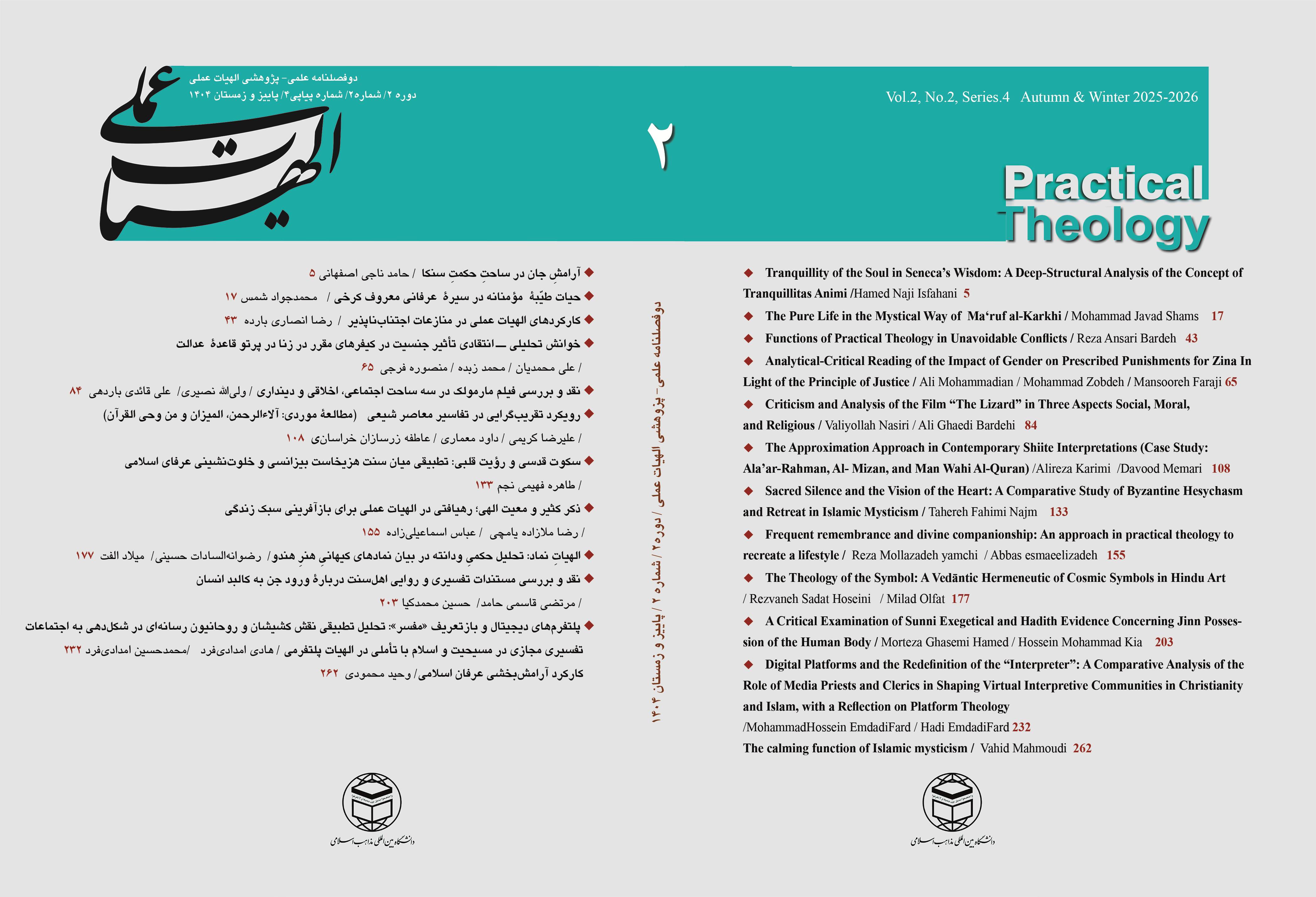
The Approximation Approach in Contemporary Shiite Interpretations (Case Study: Ala'ar-Rahman, Al-Mizan, and Man Wahi Al-Quran)

Document Type : Research Paper

Authors
1 Associate Professor, Department of Quranic and Hadith Sciences, Faculty of Islamic Sciences and Research, Imam Khomeini International University, Qazvin, Iran
2 Associate Professor, Department of Quranic and Hadith Sciences, Faculty of Quran and Hadith, International University of Islamic Denominations, Tehran, Iran
3 Researcher, International University of Islamic Denominations, Tehran, Iran
Abstract
schools as a strategy for the unity of the nation has occupied a special place in the discussions of religious thought and practical and applied theology of Muslims in the contemporary world. Muslim thinkers, both Shiites and Sunnis, especially in recent times, have made a significant contribution to the theoretical explanation and practical deepening of this strategy. Meanwhile, contemporary Shiite interpreters, considering the political, social, and cultural conditions of their time, have adopted various approaches in interpreting the Quran to strengthen the convergence of Muslims. This article, using a comparative method and content analysis, examines the approximate approach of three prominent contemporary Shiite interpreters: Sheikh Muhammad Javad Al-Balaghi, Allama Muhammad Hossein Tabataba'i, and Allama Muhammad Hossein Fazlullah, who lived in different social and cultural spaces and had sometimes distinct scientific perspectives. The findings of the investigation show that each of these commentators, relying on their scientific views and practical and social life experiences, has presented specific solutions for achieving approximation. The most important common features of these approximation-oriented commentators are; reliance on religious principles and foundations, rationalism and avoidance of religious prejudices, but considering the differences in the biological environment, social culture and scientific attitude of each, there are also differences in the intensity of their emphasis on combating colonialism, using Sunni sources and socio-political outlook
Keywords
Subjects

اسدآبادی، ج. (1383). مقالات و نامه‌ها. مؤسسهٔ مطالعات اسلامی.
بلاغی، م. ج. (بی‌تا.). آلاء الرحمن فی تفسیر القرآن. مطبعة‌الآداب.
جعفری، ا. (1392). وحدت و همگرایی در تفاسیر معاصر. پژوهشگاه فرهنگ و اندیشهٔ اسلامی.
جوادی آملی، ع. (1390). تفسیر موضوعی قرآن. مرکز نشر اسراء.
حسینی، ج. (1397). قرآن و جامعهٔ اسلامی. مرکز مطالعات تقریبی.
رشید رضا، م. (1390ق./1968). تفسیر المنار. المکتبة التجاریة.
شرف‌‌الدین عاملی، ع. ح. (۱۴۱۰ق.). المراجعات. منشورات الشریف الرضی.
شلتوت، م. (1404ق./1982). تفسیر القرآن الکریم. دارالشروق.
صدوق، م. (1362). من لایحضره الفقیه. دفتر انتشارات اسلامی.
طباطبایی، م. ح. (1417ق.). المیزان فی تفسیر القرآن. احیاءالتراث.
طباطبایی، م. ح. (1362). المیزان فی تفسیر القرآن. جامعهٔ مدرسین.
فضل‌اللّه، م. ح. (1419ق.). من وحی القرآن. دارالمؤسس.
قرآن کریم. (1445ق.). مجمع الملک فهد.
قمی، ا. (1393). تقریب مذاهب اسلامی؛ مبانی و چالش‌ها. پژوهشگاه فرهنگ و اندیشهٔ اسلامی.
کاظمی، م. (1398). روش‌های تقریب‌گرایی در تفسیر قرآن معاصر (پایان‌نامهٔ کارشناسی ارشد). دانشگاه تهران.
کلینی، م. (1365)، الکافی. دارالکتب الاسلامیه.
ملک‌زاده، ع. (1390). تقریب مذاهب اسلامی و چالش‌های آن. فصلنامهٔ مطالعات اسلامی معاصر، 4(2)، 45–72.
مصباح یزدی، م. ت. (1385). اندیشهٔ سیاسی اسلام. انتشارات مؤسسهٔ آموزشی و پژوهشی امام خمینی.
مطهری، م. (۱۳۷۲). وحدت اسلامی (مجموعه آثار، ج ۲۳). انتشارات صدرا.
مغنیه، م. ج. (۱۴۲۴ق.). التفسیر الکاشف. دارالکتب الإسلامیة.
لنگهاوزن، م. (1380). وحدت و تنوع در اندیشهٔ معاصر مسلمانان. (احمد نراقی، مترجم). مؤسسهٔ آموزشی و پژوهشی امام خمینی.
مکارم شیرازی، ن. (1417ق./1995). تفسیر نمونه. دارالکتب الاسلامیه.
نجفی، ع. (1400). بیداری اسلامی و تعاملات فکری در جهان اسلام. انتشارات پژوهشگاه علوم انسانی.